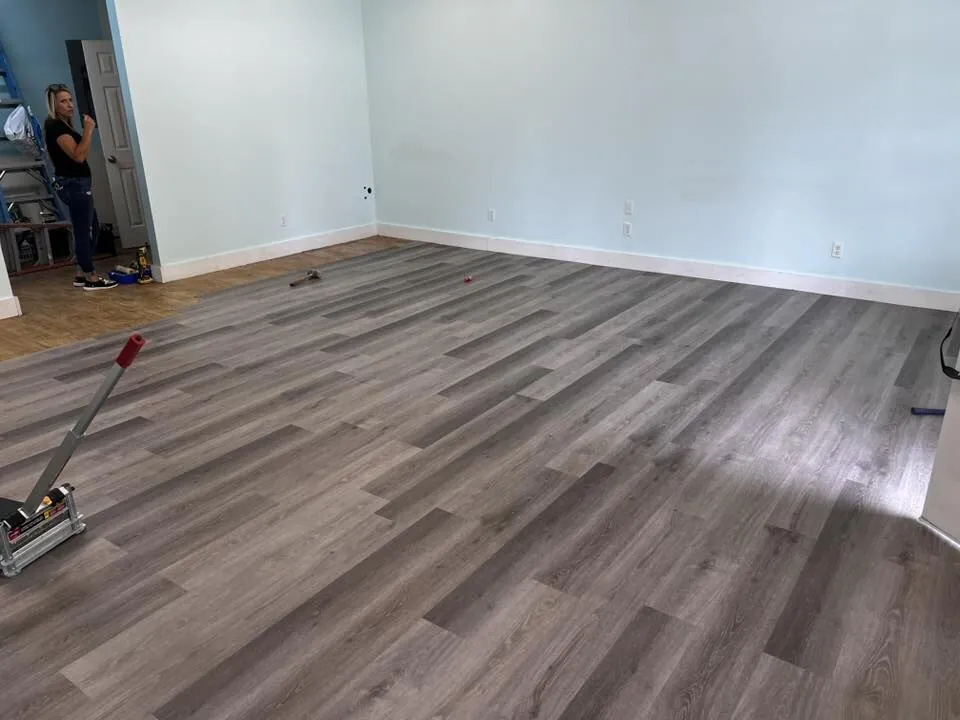
Luxury vinyl plank has quietly become the default floor in coastal Georgia, and for good reason. It looks like wood, it survives our humidity, and it takes the daily beating of kids, pets, and rental turnovers without complaint. But not all LVP is the same, and the difference between a floor that lasts five years and one that lasts twenty comes down to a few specs most stores will not explain. Here is what actually matters before you buy.
What LVP actually is
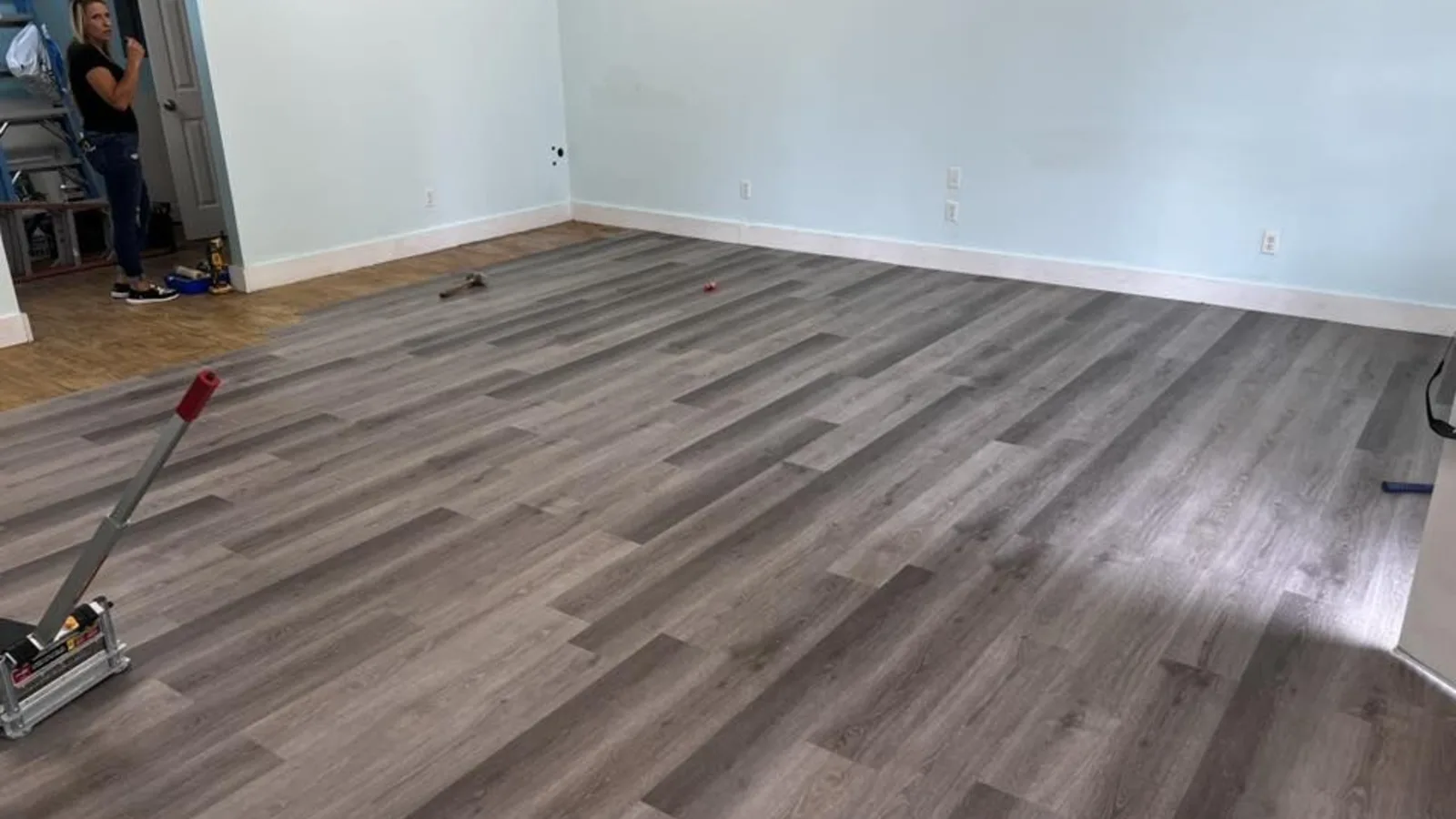
Luxury vinyl plank is a multi-layer plank with a printed wood-look surface, a tough clear wear layer on top, and a rigid core underneath. You will see two core types:
- SPC (stone-plastic core) is denser, harder, and more dent-resistant, and usually less expensive. Great for high-traffic and rentals.
- WPC (wood-plastic core) is softer, warmer, and quieter underfoot, at a slightly higher price.
Both are rigid and both are fully waterproof. For most Savannah homes we lean SPC for durability.
The wear layer is the spec that matters most
The wear layer is the clear protective top, measured in mils, and it is what determines how long the floor looks new. Here is the honest breakdown:
- 6 mil — budget; expect visible wear in 5 to 10 years.
- 12 mil — a reasonable entry point for lighter-traffic residential use.
- 20 mil — the sweet spot for homes with kids and pets, and for rentals you want to stop re-flooring.
Buyer beware
A thick plank does not mean a thick wear layer. Two floors can both be "8mm" and have totally different wear layers. Always ask for the mil rating of the wear layer, not just the overall plank thickness.
Waterproof — with one honest asterisk
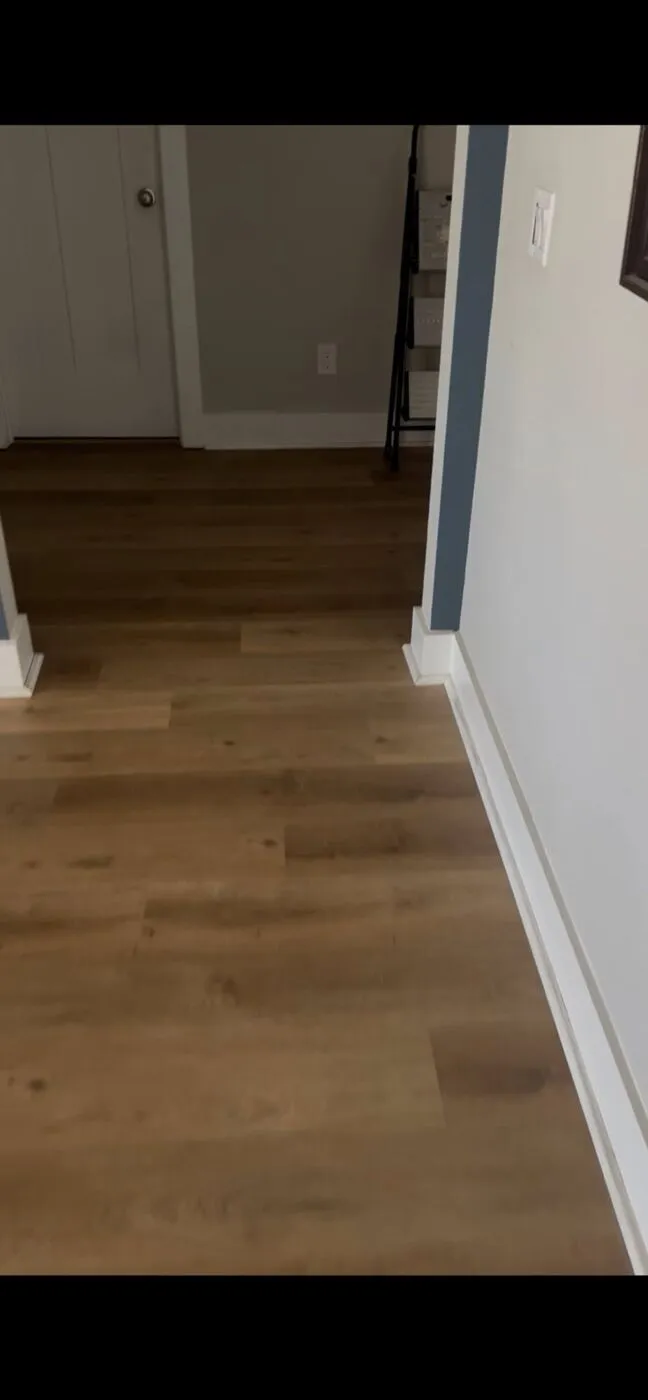
The rigid core is what makes SPC and WPC fully waterproof, unlike laminate, which is only water-resistant. That is the whole reason LVP works so well in humid Savannah and in bathrooms, kitchens, and laundries. But "waterproof" describes the plank itself, not what is under it. As the makers themselves note, it does not protect the subfloor from standing water that seeps through the seams and sits. A wet subfloor under a waterproof floor is still a problem.
Subfloor prep is the part that makes it last
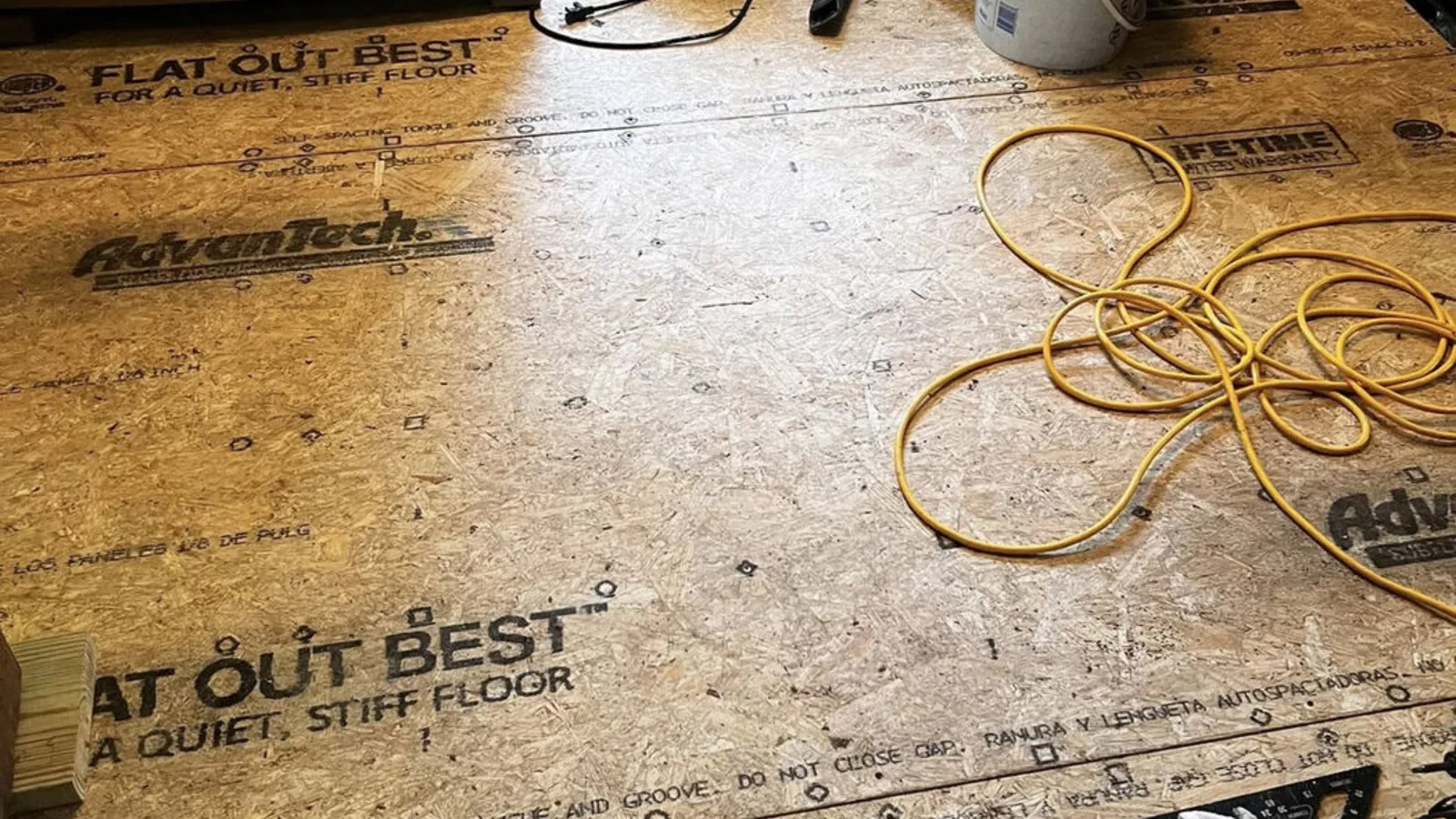
LVP is thin and rigid, so it follows the surface beneath it. A rigid SPC core tolerates minor imperfections better than thin glue-down vinyl, but a wavy, damp, or loose subfloor still leads to clicking, gapping, and an early failure. In our older pier-and-beam homes this is where the real work is — leveling and, if needed, repairing the subfloor first. It is also why we moisture-check before we install.
What LVP costs installed
Installed, LVP generally runs about $4 to $16 per square foot nationally, and for quality material a realistic figure is around $5 to $9 per square foot. Pulling up old flooring adds roughly a dollar or two per square foot. Savannah pricing tends to run a bit below national. With a 20-mil wear layer and good care, a quality LVP floor lasts 15 to 20 years or more, and individual planks can be swapped if one ever gets damaged — which landlords love.
Is LVP right for you?
For most Savannah homeowners and rental owners, LVP is the most practical floor you can buy — waterproof, tough, good-looking, and forgiving of our climate. Match the core and wear layer to your traffic, prep the subfloor properly, and it will outlast far pricier options. If you are weighing it against tile or wood, read the best flooring for Savannah's humid climate, or see our flooring installation work.
Common questions
Installed, luxury vinyl plank generally runs about $4–$16 per square foot nationally, and for quality material a realistic figure is around $5–$9 per square foot. Removing old flooring adds roughly a dollar or two per square foot. Savannah pricing tends to run a bit below national.
For homes with kids and pets — and for rentals — a 20-mil wear layer is the sweet spot. A 12-mil layer is a reasonable entry point for lighter traffic, while 6-mil budget products can show wear in 5 to 10 years. Always ask for the wear-layer mil rating, not just the overall plank thickness.
Rigid-core SPC and WPC luxury vinyl plank is fully waterproof, unlike laminate, which is only water-resistant. But waterproof describes the plank, not the subfloor underneath — standing water can still seep through the seams and sit, so the subfloor has to be sound and dry.
Quality LVP typically lasts 10 to 20 years, and a well-maintained floor with a 20-mil or thicker wear layer can go 20-plus. Individual planks can also be replaced if one gets damaged, which makes it popular with landlords.
Sources
Read next