
A fresh coat of paint is the cheapest way to transform a room. It is also the project people most often have to redo, and in coastal Georgia the reason is almost always the same: humidity. The same heavy air that makes a Savannah summer feel like a wet towel works against your paint while it dries and long after. Knowing how that works is the difference between a finish that lasts and one that peels, blotches, or mildews within a year.
How humidity works against interior paint
Paint dries by releasing water and solvents into the air. When the air is already saturated, that process slows down, and slow drying causes real problems. High humidity can trap moisture in the paint film and hurt how well it sticks, which is what leads to peeling and blistering down the road.
It also causes a cosmetic headache called surfactant leaching — brown or white blotches that bleed to the surface of fresh latex when it dries too slowly. It is not structural, but it looks bad and it is a classic humid-climate symptom. Savannah summers routinely run 70–80% relative humidity, above the roughly 40–70% range paint manufacturers consider ideal, so this is an everyday reality here, not a rare event.
Drying time stretches in the heat and the damp
Manufacturers publish dry times at controlled conditions. Sherwin-Williams, for example, lists its Duration Home latex as touch-dry in about an hour and ready to recoat in about four — at 77°F and 50% humidity. Our summer air is nowhere near 50% humidity, so those times stretch. And full cure, when the paint reaches its final hardness, takes two to four weeks regardless. Dry to the touch is not the same as cured.
The right paint and finish for a humid home
Where the paint goes should decide what you put up. In the wet rooms — the bathrooms, the kitchen, the laundry — Benjamin Moore and other makers recommend a satin or semi-gloss finish in a mildew-resistant formula. Here is the simple version of why:
- Satin and semi-gloss shed moisture and wipe clean. That matters where steam and splashes are constant.
- Flat finishes hold onto moisture and stain. They look great on a dry living-room ceiling and struggle in a humid bathroom.
- Mildew-resistant formulas are built for exactly our climate — coastal baths and north-facing rooms are where interior mildew shows up first.
Prep is most of the job
The part nobody photographs is the part that makes paint last. In our climate that means starting with clean, dry, sound surfaces, dealing with any existing mildew rather than painting over it, and giving each coat the time it needs before the next one goes on. We run air conditioning or dehumidifiers while we work to pull the room's humidity down toward that manufacturer sweet spot, and we space coats out instead of forcing them. Rushing paint in Savannah humidity is the single most common way a job fails early.
Older homes add their own wrinkle. Plaster walls and decades of layered coatings in the Historic District and the older in-town neighborhoods need extra prep and the right primer so the new finish bonds instead of lifting.
Cabinet refinishing: a big change without a remodel
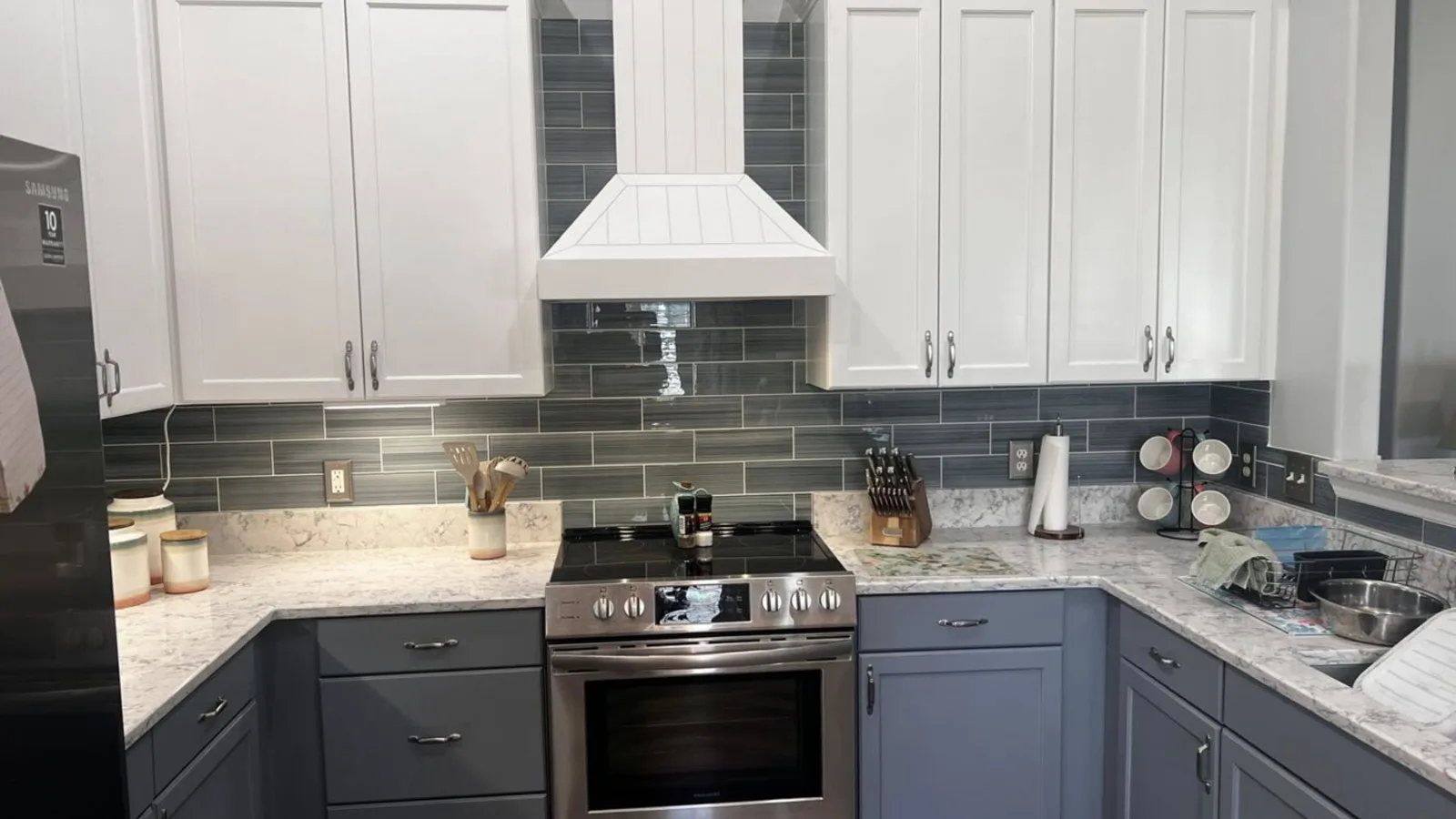
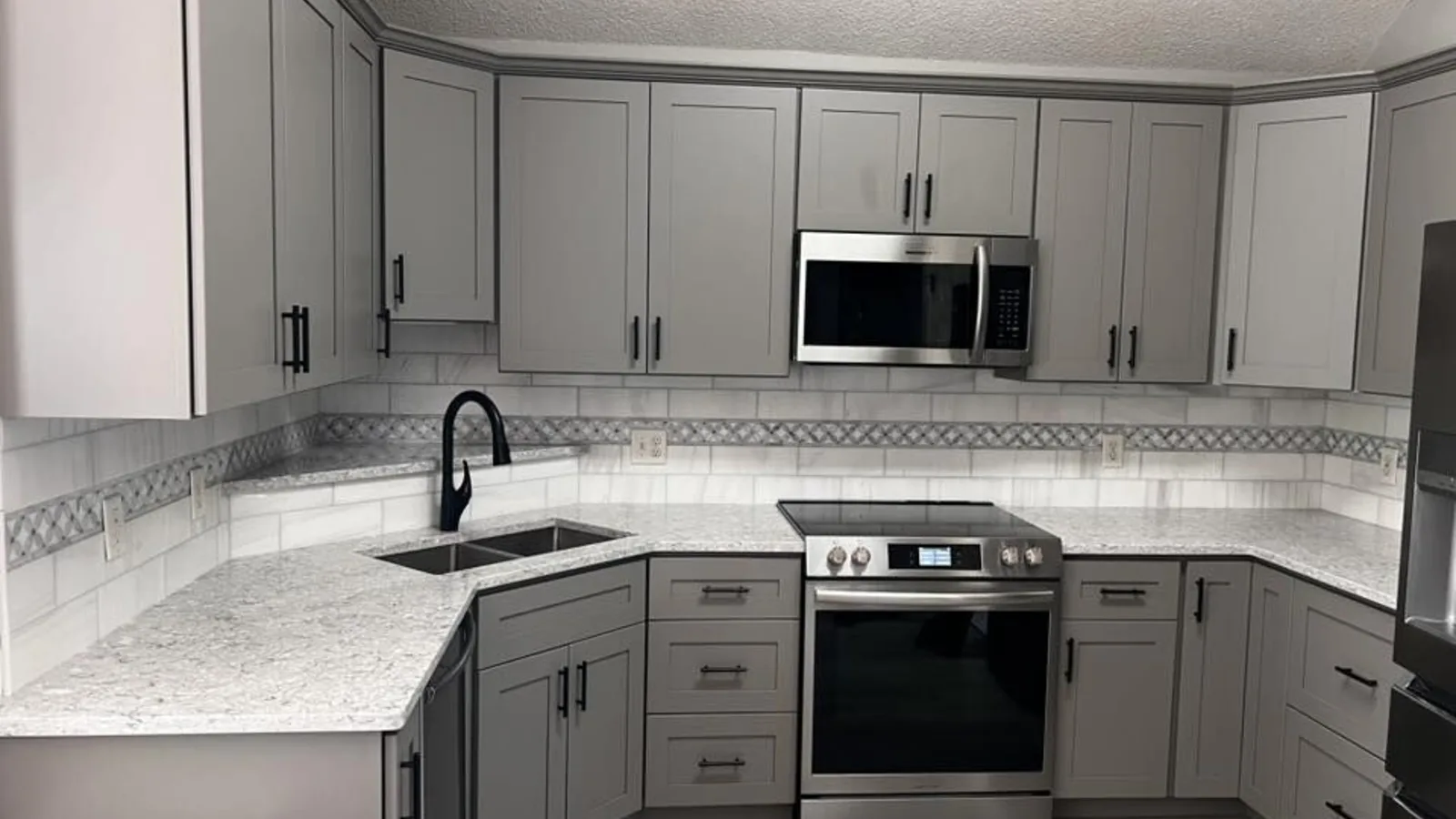
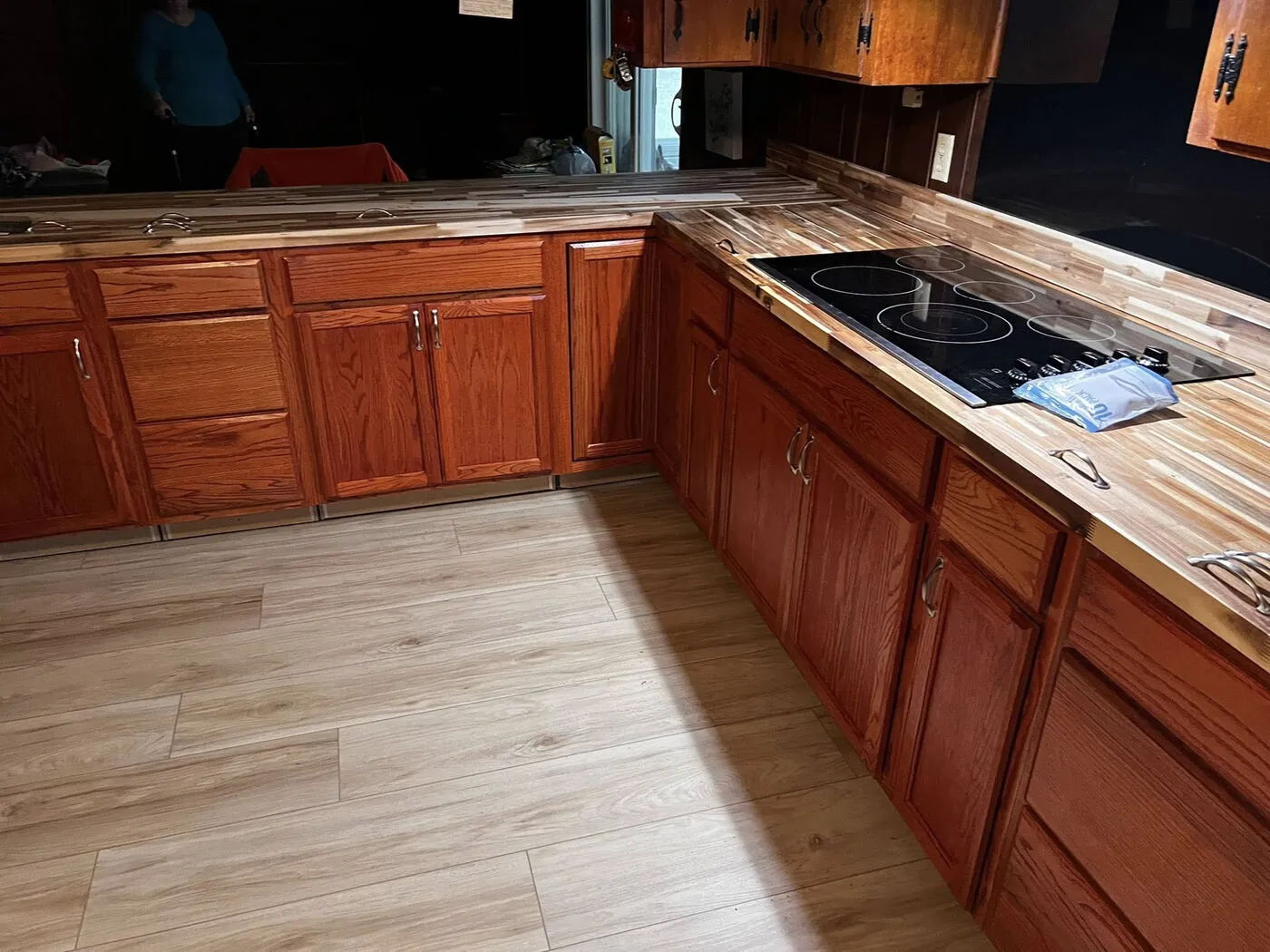
One of the highest-impact things paint can do is bring tired kitchen cabinets back to life in a new color. Done properly it is a real process, not a quick roll-over: degrease, sand, fill, prime with a bonding or stain-blocking primer, then finish with a durable enamel built to take daily handling. The result is a kitchen that looks remodeled for a fraction of a full remodel.
How often to repaint
A common guideline is repainting interiors every 3–7 years, sooner in high-traffic rooms and humid spaces like bathrooms where mildew and wear show up faster. Good prep and the right paint stretch that interval out.
What interior painting costs
As a rough national benchmark, interior painting runs about $2 to $6 per square foot, and an average room lands somewhere around a few hundred to a couple thousand dollars depending on size, prep, and trim. Cabinet refinishing and whole-home repaints are quoted on their own. The honest way to price your project is to look at the actual rooms, so we give a free written estimate before any work starts.
The takeaway
Interior paint in coastal Georgia lives or dies on two things: using the right paint for the room, and respecting the humidity while it cures. Get both right and a repaint looks crisp for years. Rush it, and our climate will find the shortcut for you.
See our painting and cabinet refinishing work, weigh up refinishing versus replacing your cabinets, or read about kitchen and bath remodel costs in Savannah if a bigger update is on your list.
Common questions
Yes. High humidity slows drying and curing, which can trap moisture in the paint film and hurt adhesion. It also causes surfactant leaching — brown or white blotches on fresh latex. Savannah summers routinely run 70–80% relative humidity, above the roughly 40–70% range manufacturers prefer, so we run AC or dehumidifiers and allow extra time between coats.
Satin or semi-gloss in a mildew-resistant formula. Those finishes shed moisture and wipe clean, which matters in humid, splash-prone coastal Georgia baths and kitchens. Flat finishes hold onto moisture and stain more easily in wet rooms.
At 77°F and 50% humidity, a quality interior latex is touch-dry in about an hour and ready to recoat in around four. In a humid Savannah summer those times stretch, and full cure can take two to four weeks. We space coats out rather than rush them, because rushing in humidity is how peeling and blistering start.
A common guideline is every 3–7 years, sooner in high-traffic rooms and in humid spaces like bathrooms where mildew and wear show faster. Good prep and the right paint stretch that interval.
Sources
- Sherwin-Williams — interior product application FAQs (dry/recoat times)
- Sherwin-Williams Duration Home — product data sheet
- Behr — surfactant leaching (humidity-related)
- Glidden — how long paint takes to dry and cure
- Benjamin Moore — choosing a paint finish (mildew-resistant, bath & kitchen)
- Angi — cost to paint a room
Read next